
Stop Guessing Why You Lost the Deal
Your Sales team knows why prospects are saying "no." Your CS team knows why customers are churning. Your Product team is building features based on a roadmap from last year. These three truths rarely meet. In the old world, you needed a Product Marketer to sit in meetings and connect the dots. In the new world, we have an answer
What is the HITL / the Feedback Loop?
The HITL AI Feedback Loop is an automated system that aggregates unstructured data—digital marketplace reviews (think G2), Zendesk service tickets, Jira escalate issues/Bugs, Slack rants, and Salesforce Opportunity notes—and uses Large Language Models to extract actionable insights. It transforms qualitative anecdotes ("Customers seem annoyed by the UI") into quantitative evidence ("73% of churned accounts cited 'dashboard complexity' in their postmortem final call").

The "Broken Telephone" of B2B Strategy
Why do product launches fail? Because the feedback loop is too low.
Sales hears a complaint on Monday.
Sales Manager mentions it in a meeting on Friday.
Marketing puts it in a quarterly report next month.
Product sees it next quarter.
By the time the feature is fixed, the customer has already moved to a competitor. An AI-driven loop is instantaneous. The moment a trend appears in sales calls, it is flagged for the product roadmap.

3 - The "Sentiment Radar":
Old Way: Waiting for NPS scores to drop.
New Way: Continuous sentiment analysis on all inbound emails. If the tone of your Enterprise segment shifts from "Professional" to "Frustrated" over a 48-hour period, you get an alert before the churn happens.
3 Ways to Weaponize Your Customer Data
1 - The "Win/Loss" Autopsy:
Old Way: Sales reps check a generic box in Salesforce like "Price" or "Feature Gap." It tells you nothing.
New Way: Feed the transcripts of your last 20 lost deals into an LLM. Ask: "Identify the exact moment the prospect lost interest. Was it a specific feature, a pricing tier, or a lack of trust?" You will find the hidden objection your reps aren't telling you about.
2 - The "Feature Request" Reality Check:
Old Way: The loudest customer gets the feature.
New Way: Analyze 1,000 support tickets. Ask the model to categorize requests by revenue impact. You might find that the feature the "loudest" customer wants is irrelevant to your Enterprise accounts. Build for revenue, not volume.
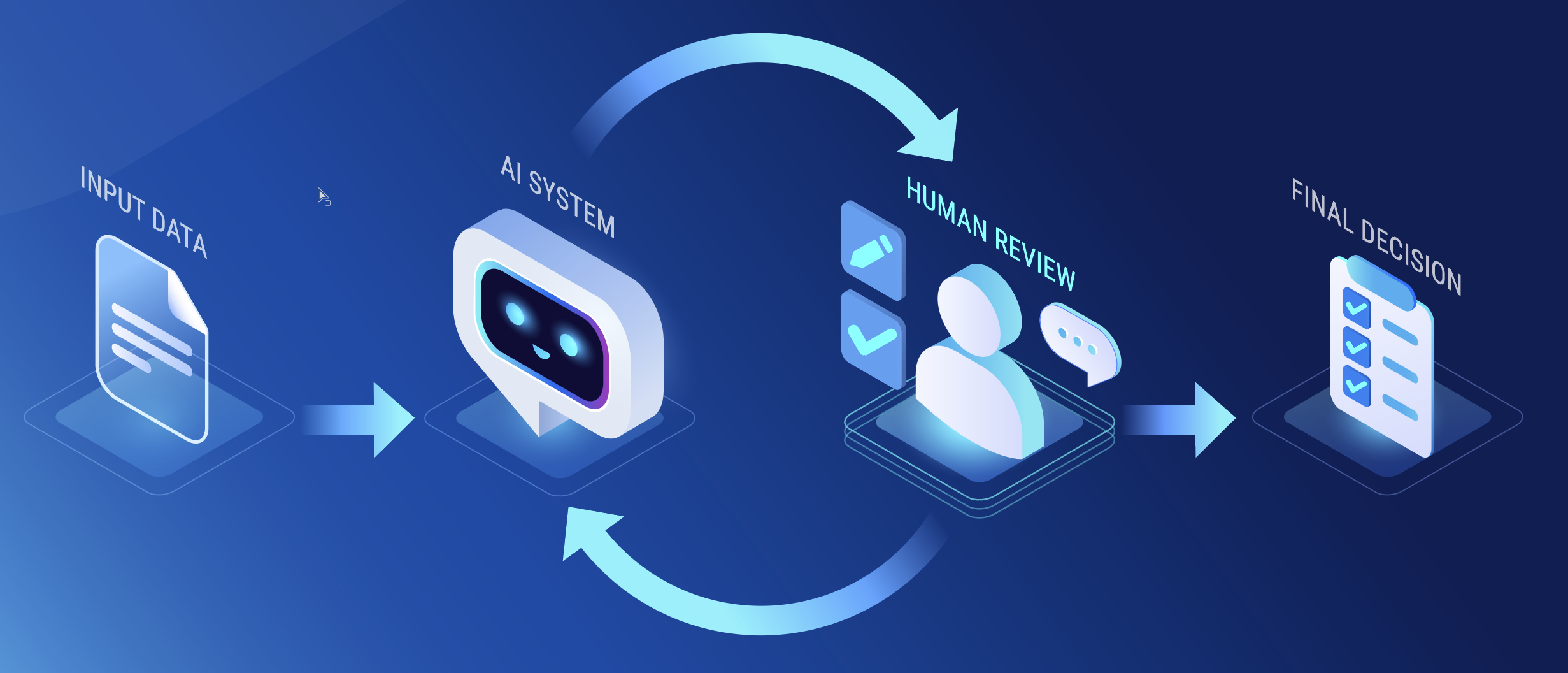
Closing the Loop: Marketing as the Translator
Marketing isn't just about broadcasting messages out; it's about translating signals back in. With LLMs, Marketing becomes the intelligence hub of the organization. We don't just make slide decks; we tell Product what to build and Sales how to sell it, based on irrefutable data, not opinions.